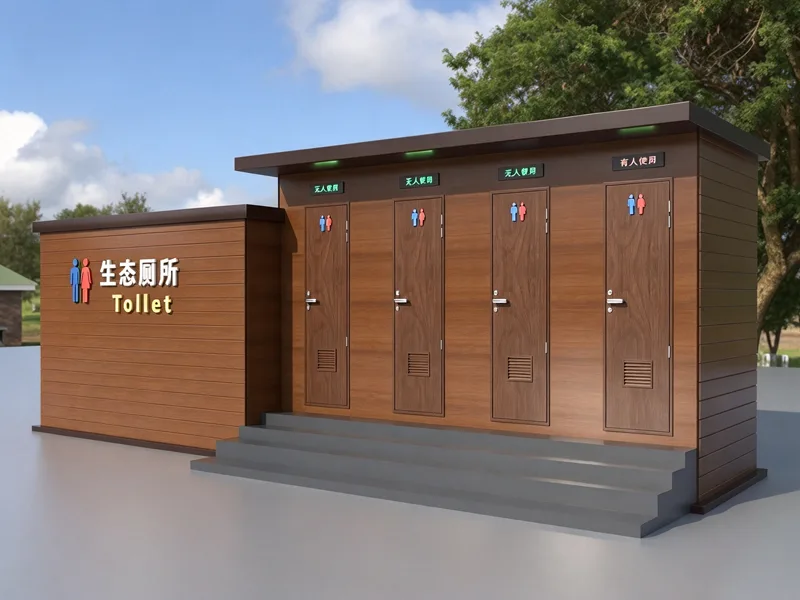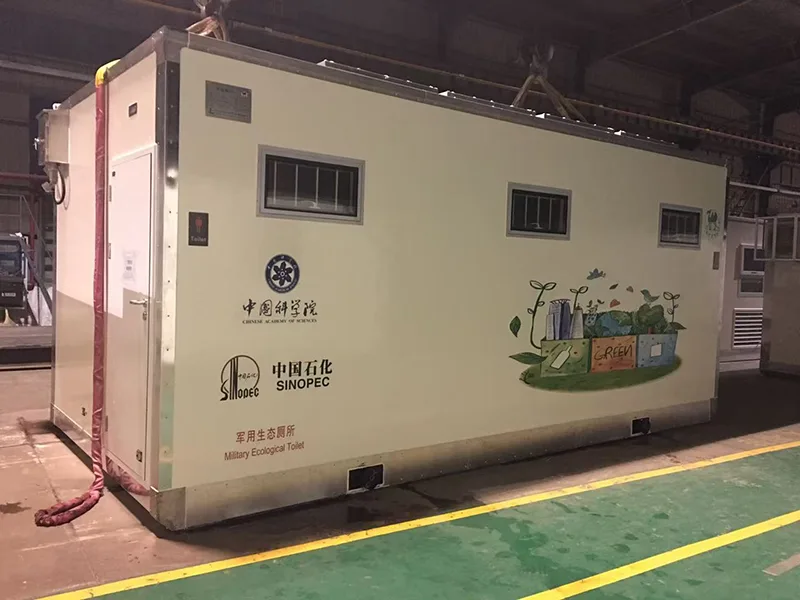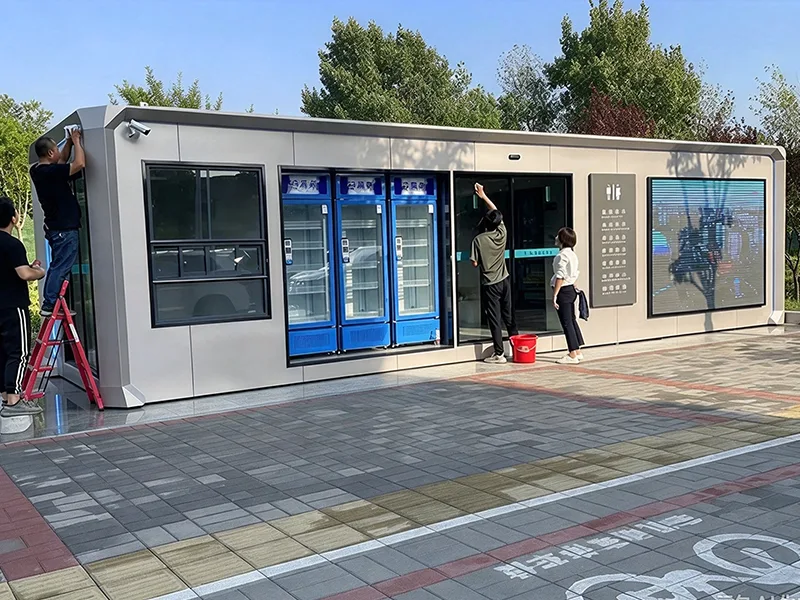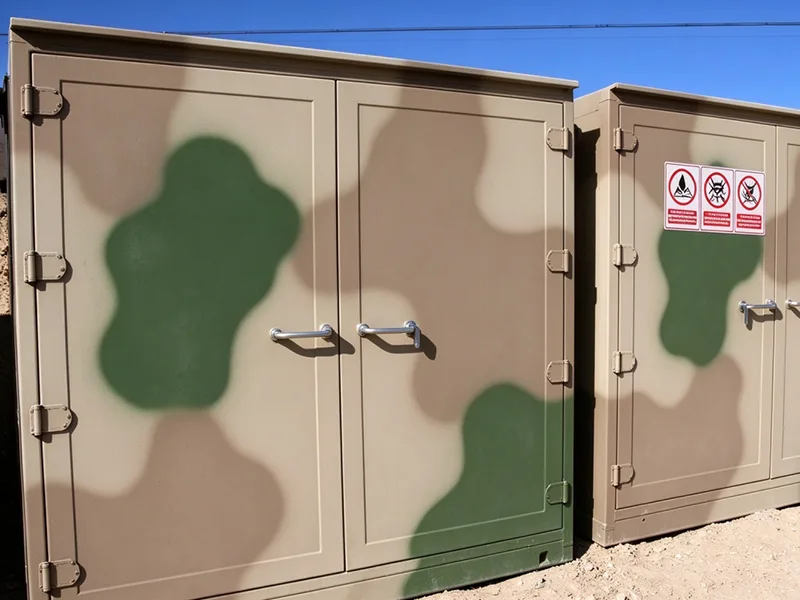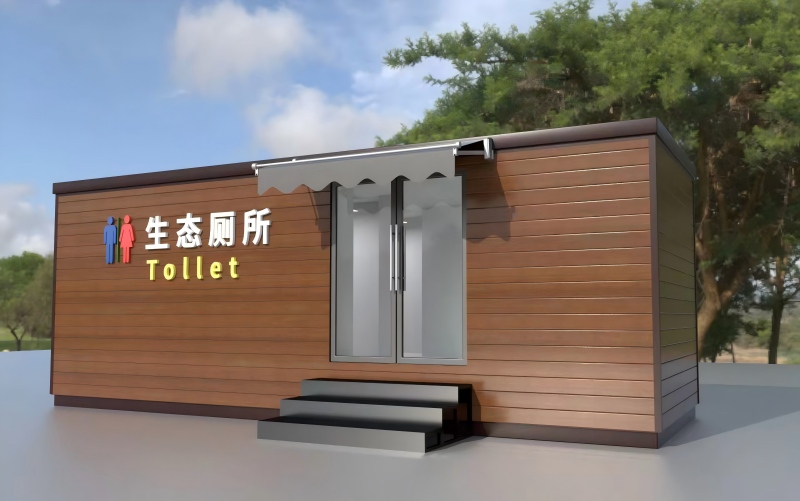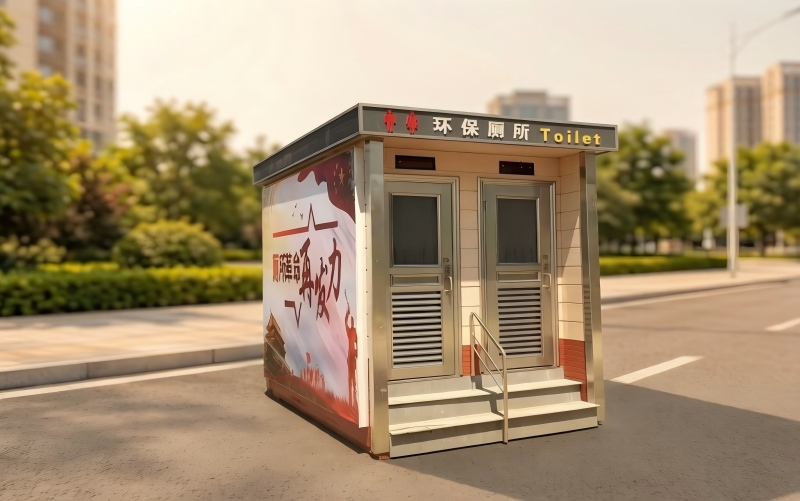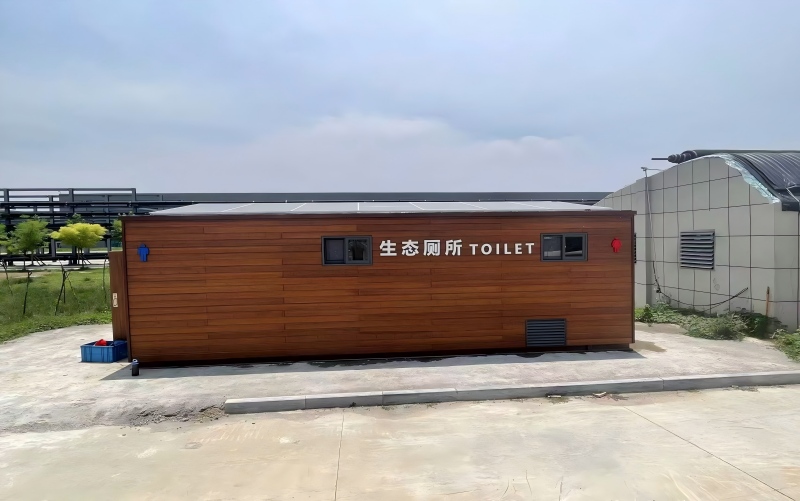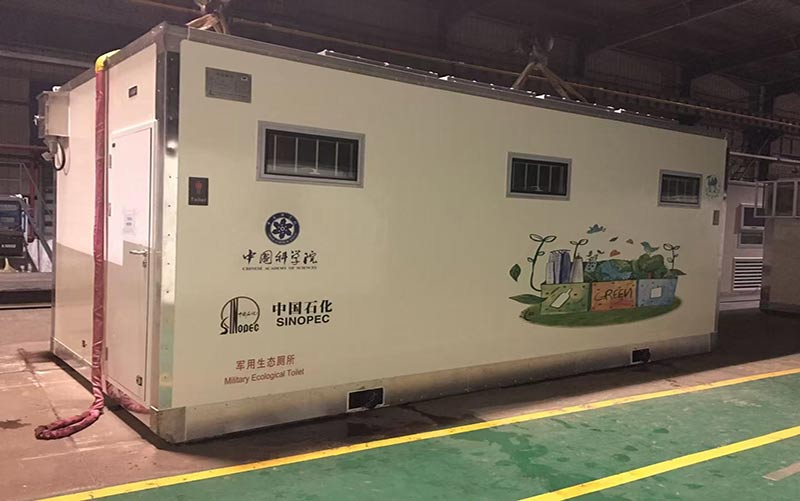
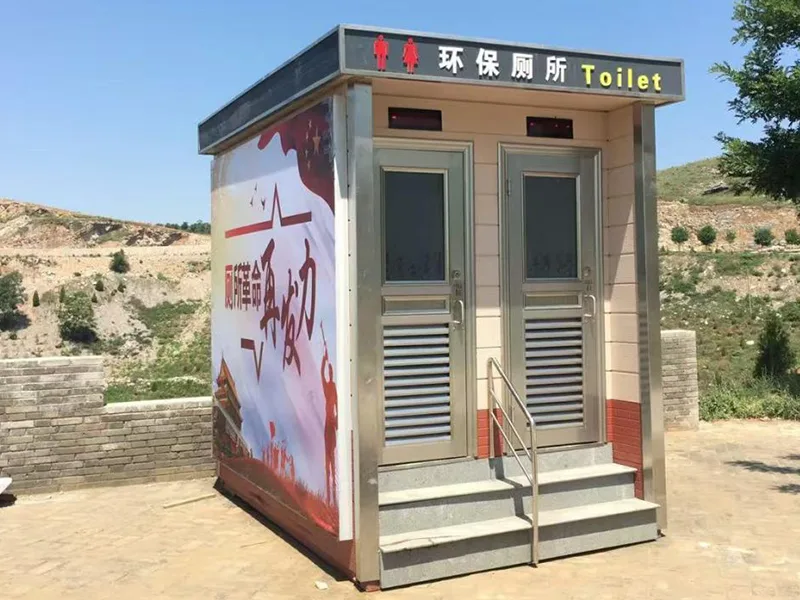
The Extreme Environment Mobile Eco Toilet is developed for sanitation facilities in locations where conventional toilets are difficult to install or maintain. Typical challenges include frozen water pipes, limited water supply, sand and dust exposure, and the lack of municipal drainage and external electricity.
Manufactured by Suzhou Jingjiu Environmental Protection Technology Co., Ltd., the unit combines vacuum negative-pressure dry waste discharge, intelligent temperature control, enclosure protection, and an independent photovoltaic power system. These features support deployment in remote engineering sites, high-altitude areas, deserts, and other locations with demanding environmental conditions.
Unlike conventional water-flushing toilets, the dry waste discharge design reduces dependence on flushing water and water-filled drainage pipes. The modular structure also simplifies transportation to sites where permanent construction and utility connections are impractical.
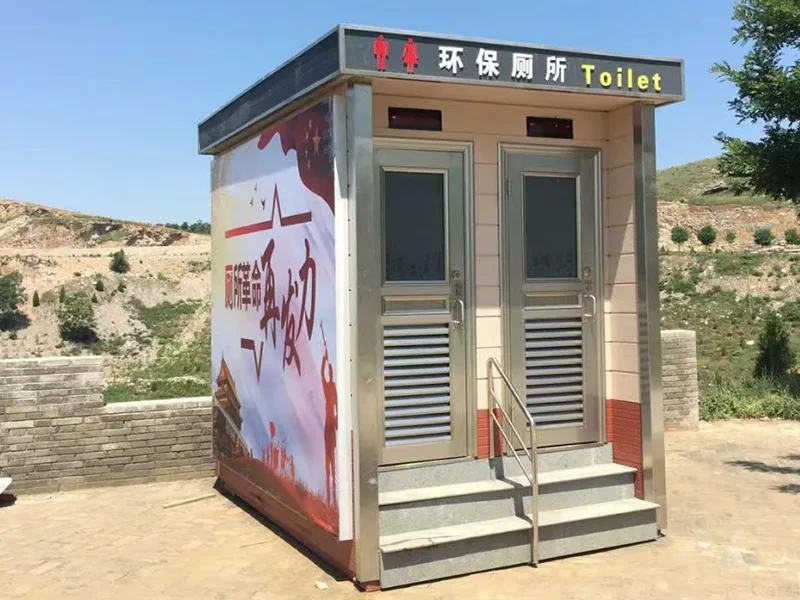
Water-filled pipes can freeze and become blocked in sub-zero conditions. The vacuum negative-pressure dry waste discharge system avoids reliance on conventional water-flushing pipelines, helping address this problem in cold-weather applications.
Intelligent temperature control provides additional freeze protection. For projects exposed to prolonged sub-zero temperatures, the actual operating conditions, power availability, and required protection configuration should be confirmed before installation.
The integrated photovoltaic power system is intended for locations without external mains electricity. This reduces dependence on local power infrastructure and supports installation at remote work sites.
Solar power performance depends on local sunlight, seasonal conditions, and the equipment's energy consumption. Projects in high-latitude regions, winter environments, or locations with extended periods of low sunlight should assess power requirements and operating schedules in advance.
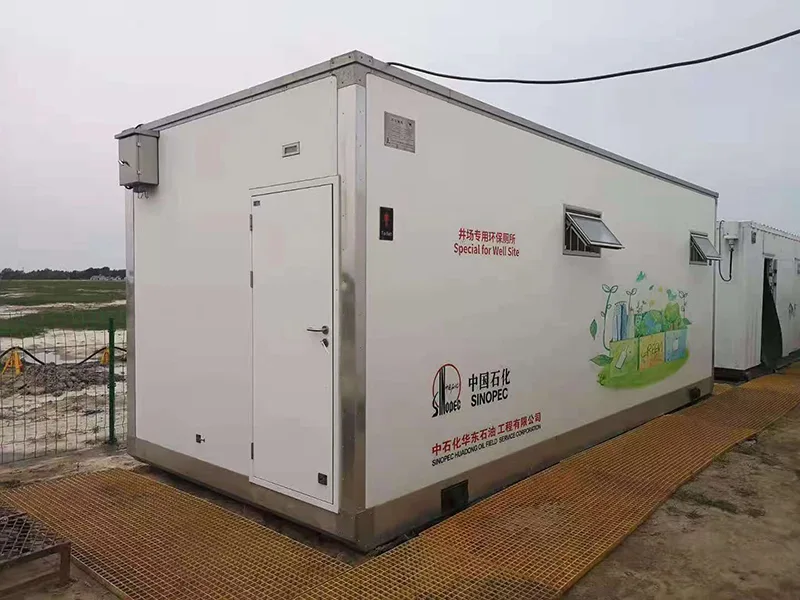
Desert exploration sites, construction areas, and exposed field locations can subject sanitation equipment to airborne sand and dust. The toilet uses a sealed enclosure designed to help protect internal components in these environments.
For sites exposed to strong winds or severe sandstorms, buyers should confirm the required protection level and site-specific installation conditions with the manufacturer.
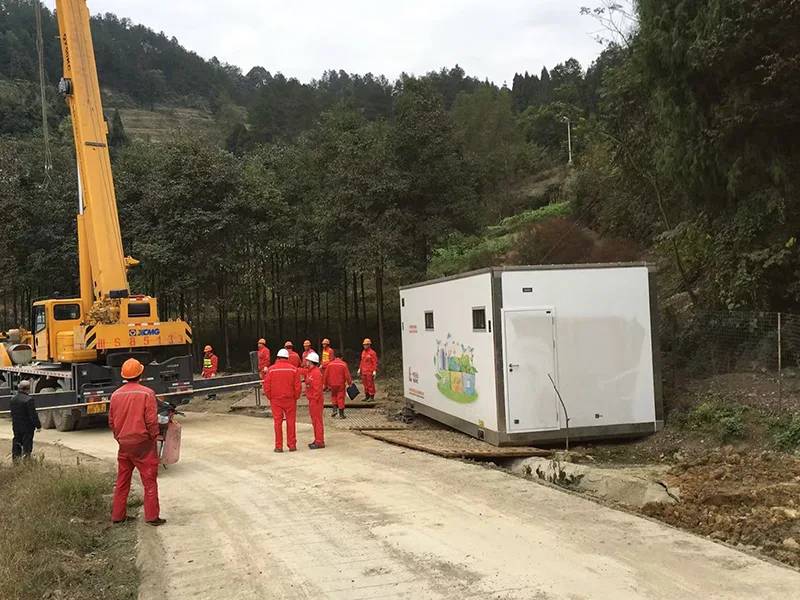
The modular structure supports lifting and vehicle towing, making it suitable for projects where equipment must be transported over long distances or relocated as work progresses.
No conventional civil construction or municipal water and drainage connections are required. This can simplify deployment at temporary camps, remote field stations, and emergency work sites.
Remote installations may have limited access to maintenance personnel. The integrated systems are designed to support unattended operation, reducing the need for continuous on-site supervision.
Actual unattended operating periods depend on user numbers, operating conditions, available power, and maintenance requirements. These factors should be evaluated as part of project planning.
|
Item |
Specification |
|
Product Name |
Extreme Environment Mobile Eco Toilet |
|
Waste Discharge Method |
Vacuum negative-pressure dry waste discharge |
|
Operating Temperature Range |
-35°C to +50°C |
|
Power Supply |
Independent photovoltaic power system |
|
Temperature Control |
Intelligent temperature control and freeze protection |
|
Enclosure |
Sealed structure designed for sand and dust protection |
|
Structure |
Modular design |
|
Transportation |
Lifting and vehicle towing |
|
Civil Construction |
Not required |
|
Municipal Water and Drainage |
Not required |
|
External Mains Power |
Not required |
Construction and infrastructure projects in mountainous regions may lack water supply, drainage networks, and convenient access to maintenance services. The mobile design supports sanitation provision at remote work locations.
Exploration camps and remote energy sites often operate far from municipal infrastructure. The enclosed structure, dry waste discharge system, and independent photovoltaic power supply address several practical requirements of off-grid deployment.
Isolated facilities require sanitation equipment that can be transported to the site without conventional utility connections. The modular design supports deployment in locations where permanent infrastructure is difficult to establish.
Research teams and emergency crews may need temporary sanitation facilities in locations with limited infrastructure. The unit can be transported to the required site, subject to access, installation, and operating conditions.
Selecting a mobile eco toilet for extreme environments requires more than checking the minimum and maximum operating temperatures. The installation location and expected use directly affect configuration requirements.
Confirm the expected minimum and maximum temperatures, duration of cold periods, altitude, wind exposure, and severity of sand and dust. The stated operating range is -35°C to +50°C; other environmental limits should be verified for the intended project.
Provide the project location, seasonal sunlight conditions, and expected daily operating schedule. These details help determine whether the photovoltaic configuration is suitable for the site.
The number of users and daily usage frequency affect the required sanitation capacity and operating arrangements. Buyers should provide the expected number of users when requesting a configuration.
Confirm road access, lifting equipment availability, transport distance, and the intended installation surface. These details are especially important for high-altitude, desert, and temporary project sites.
Discuss inspection frequency, maintenance access, operating schedules, and the availability of local support. For sites without permanent staff, clarify the required unattended period and the maintenance arrangements before ordering.
Yes. The unit is designed for off-grid installation and does not require municipal water supply or drainage connections. The specific site still needs to meet the equipment's installation and operating requirements.
The stated operating temperature range is -35°C to +50°C. For projects exposed to prolonged extreme cold, confirm the applicable configuration and power requirements with the manufacturer.
The unit uses an independent photovoltaic power system and is designed for sites without external mains electricity. Available solar energy and actual power demand should be assessed for the project location.
The sealed enclosure is designed to provide sand and dust protection. For severe sandstorms or unusually high wind exposure, confirm the required protection level and installation conditions before ordering.
The modular design supports lifting and vehicle towing. Transportation arrangements depend on site access, available equipment, and the unit's actual dimensions and weight.
Provide the installation location, expected temperature range, altitude, daily user numbers, power conditions, transport requirements, and expected operating schedule. This information helps the manufacturer assess the appropriate equipment configuration.
For an Extreme Environment Mobile Eco Toilet quotation, please provide the project location, environmental conditions, expected daily users, and installation requirements. Jingjiu can assess the application requirements and discuss a suitable configuration for the project.
Contact Suzhou Jingjiu Environmental Protection Technology Co., Ltd. for product details and project consultation.
Address
International Business Department Office: No. 2, Lane 28, Baizhang East Road, Yinzhou District, Ningbo City, China
Tel
If you have any enquiry about quotation or cooperation, please feel free to email us or use the following inquiry form.Our sales representative will contact you within 24 hours. Thank you for your interest in our products.