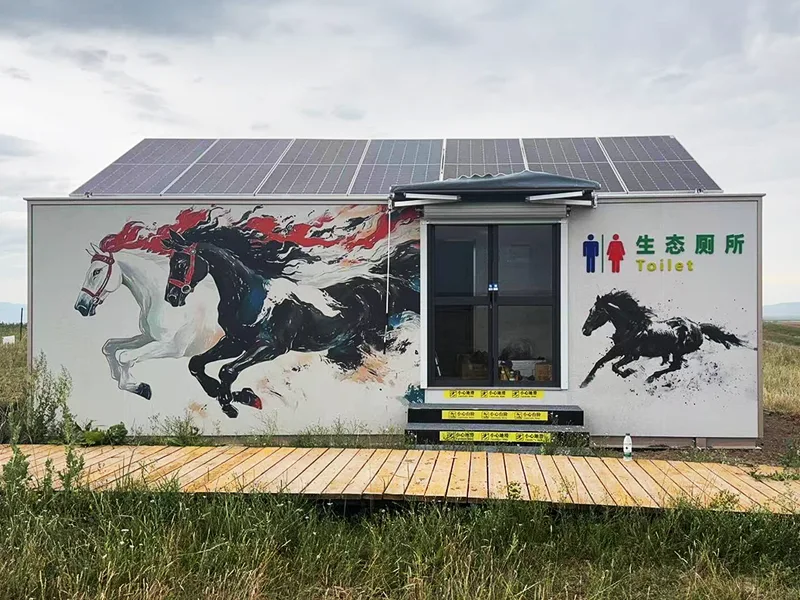
Environmental protection projects require sanitation facilities that address human needs while minimizing their impact on surrounding ecosystems. In nature reserves, ecological restoration areas, scientific research sites, and natural heritage destinations, conventional sewage infrastructure may disturb local landscapes or create additional wastewater management requirements.
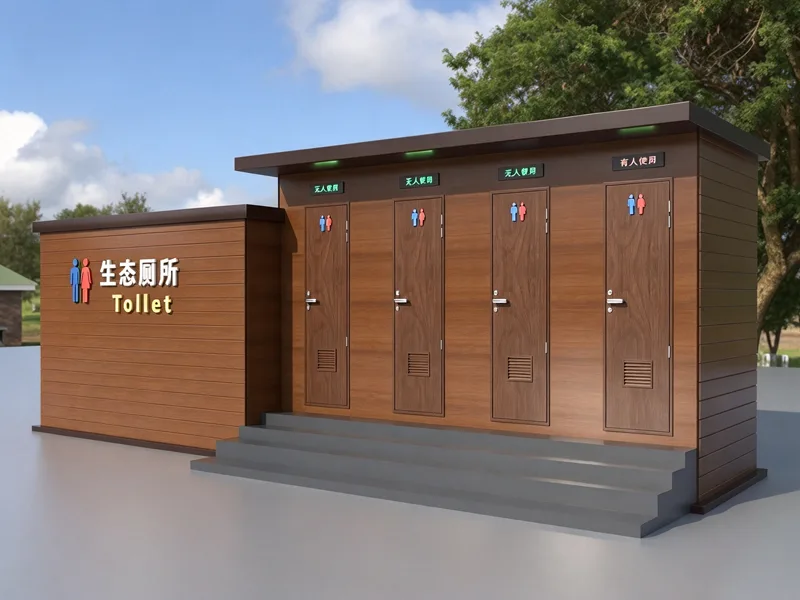
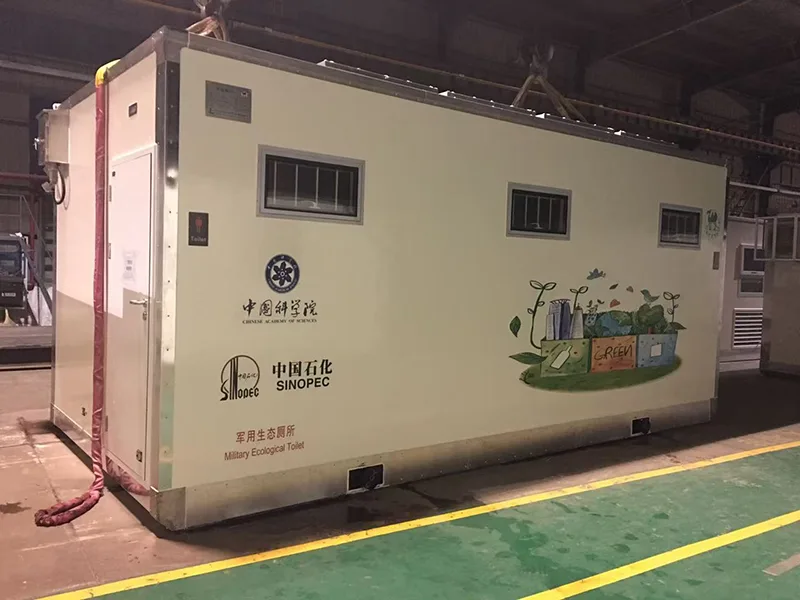
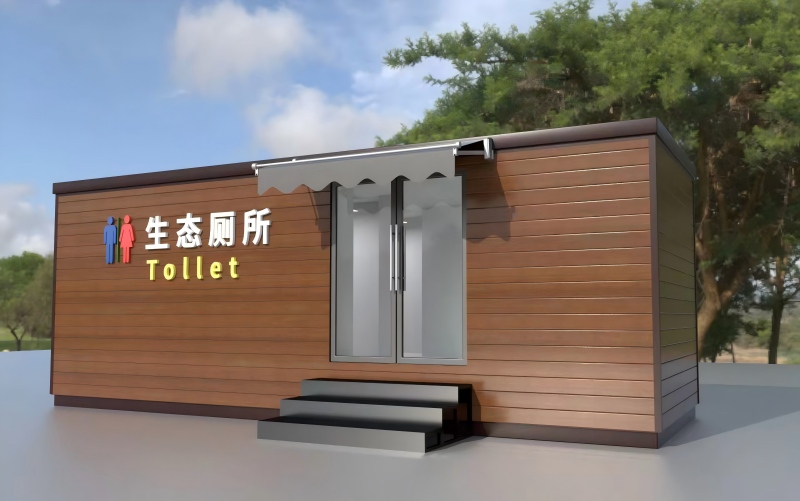
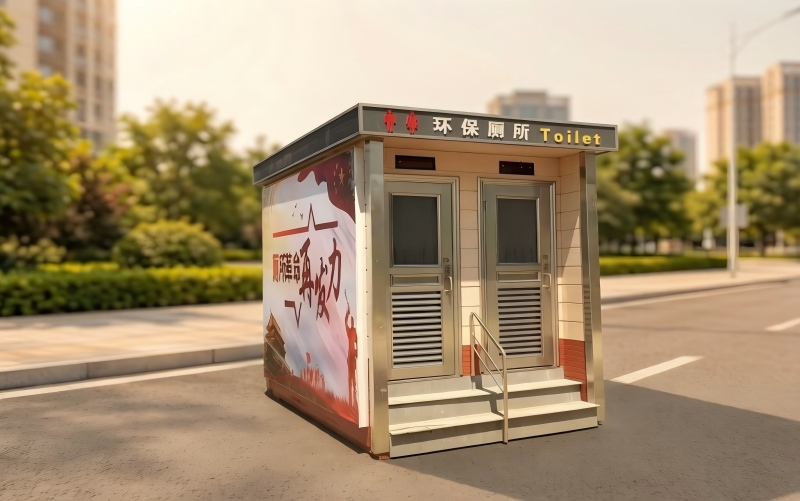
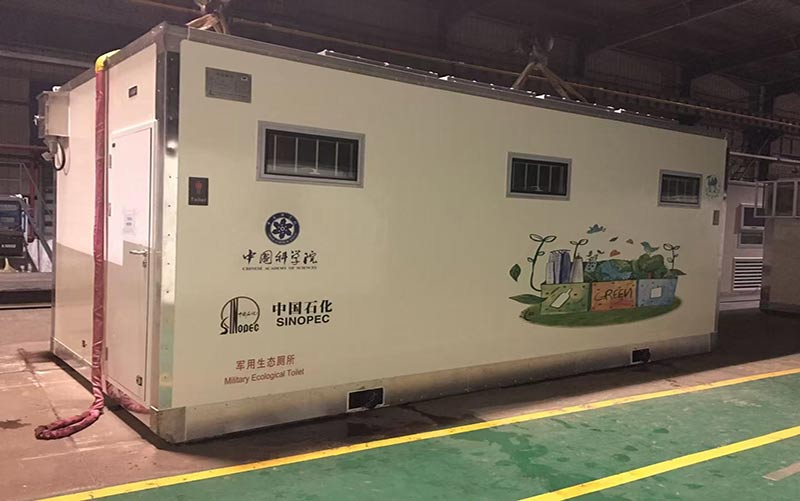
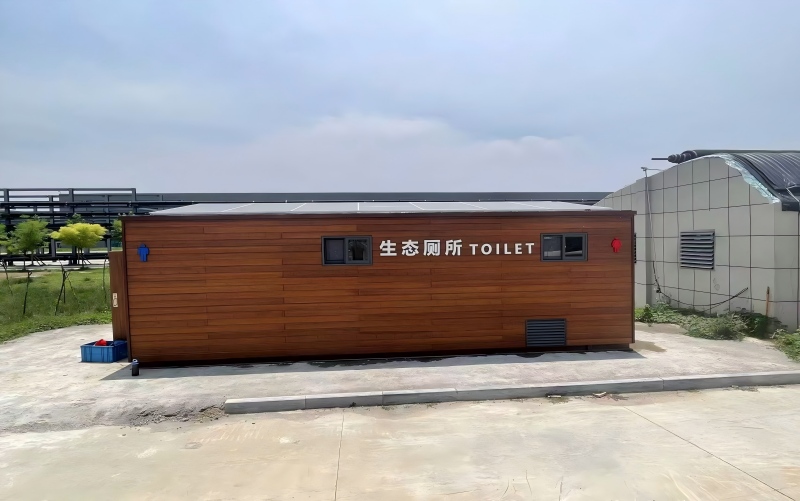
The Jingjiu Sustainable Mobile Ecological Toilet is developed for these environmentally sensitive applications. It combines sanitation facilities with ecological waste treatment, microbial degradation, and water recycling technologies to support on-site sanitation management and reduce dependence on external wastewater infrastructure.
The system can be considered for international environmental programs, biodiversity conservation projects, cross-border ecological restoration, and low-carbon demonstration sites. Its configuration can be adapted to project conditions, including local climate, water availability, site accessibility, expected visitor numbers, and environmental management requirements.
Rather than focusing solely on toilet provision, the design considers how sanitation facilities can be integrated into long-term environmental management. Waste treatment methods, water reuse arrangements, energy supply, maintenance procedures, and the management of treatment residues should be evaluated according to the needs and environmental requirements of each project.
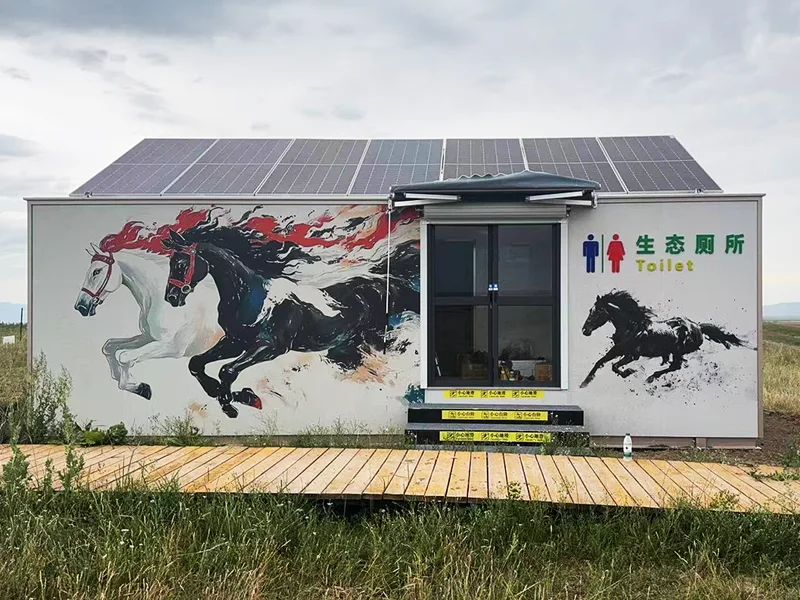
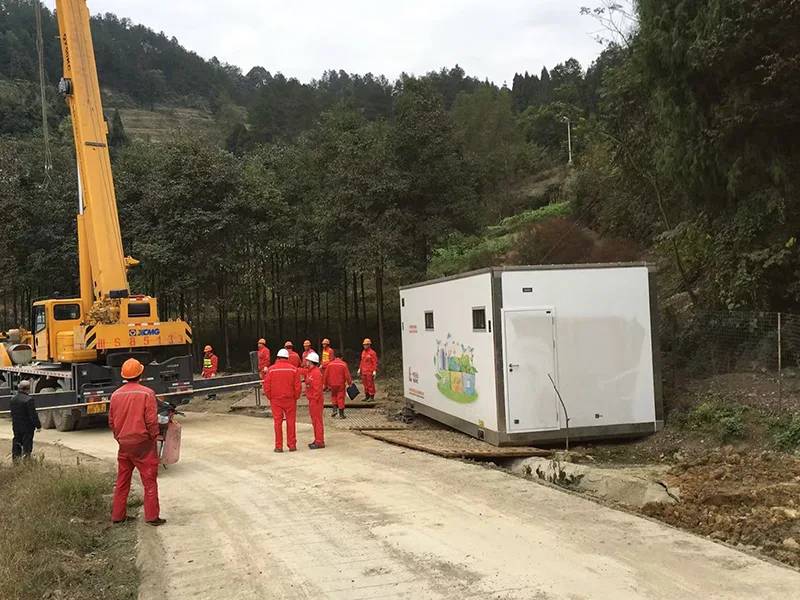
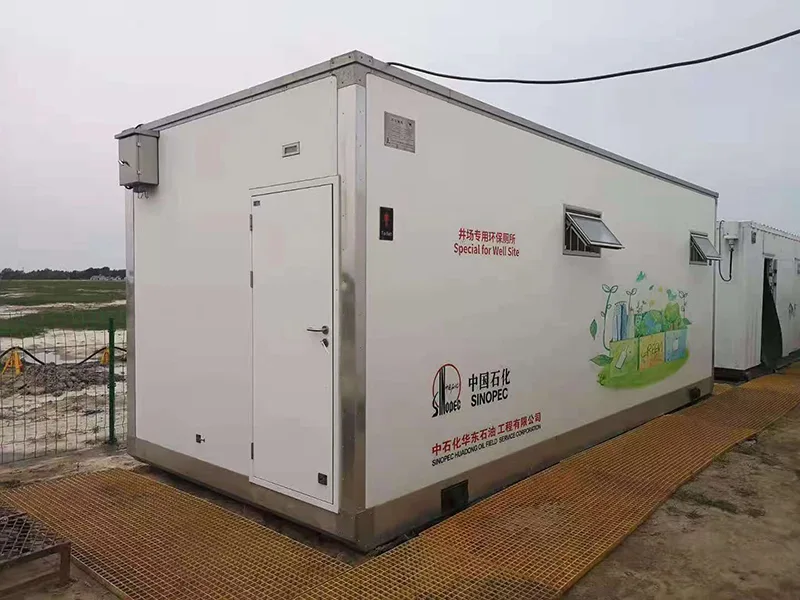
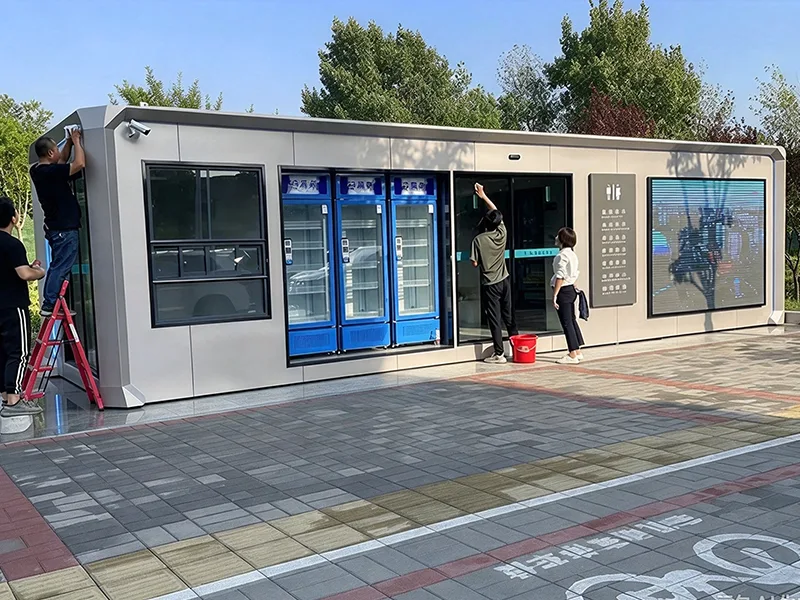
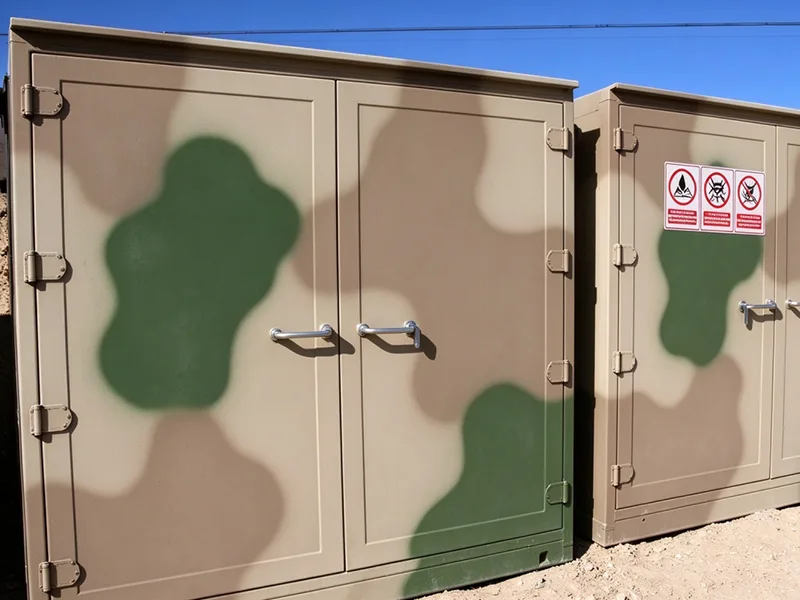
The system is intended for sites where conventional sanitation infrastructure may be difficult to install or could affect the surrounding landscape. Potential applications include nature reserves, natural heritage sites, ecological restoration zones, and field research facilities.
Project-specific planning can help determine suitable installation locations, treatment capacity, access arrangements, and maintenance procedures to limit unnecessary disturbance to the site.
Jingjiu's technical approach combines composite microbial degradation with wastewater purification and recycling technologies. These processes are designed to support organic waste treatment and improve water reuse within an integrated sanitation system.
The treatment configuration should be selected according to local environmental conditions, water quality requirements, and the intended reuse of treated water. Any discharge, residual waste, or recovered material must be managed in accordance with applicable project and local requirements.
Water availability and energy consumption are important considerations for sanitation facilities in remote conservation areas. Depending on the project configuration, the system can incorporate water recycling and an independent power supply, including photovoltaic energy storage where suitable.
These options can help reduce reliance on external infrastructure. Actual water savings, energy consumption, and carbon impacts should be assessed against the operating conditions and project baseline.
The product can be considered for environmental initiatives related to United Nations Sustainable Development Goal 6 (SDG 6), which addresses clean water and sanitation.
For projects seeking to demonstrate environmental performance, relevant indicators may include water reuse rates, energy consumption, wastewater management, treatment residue handling, maintenance requirements, and the disturbance caused by installation and operation.
Sanitation facilities for conservation areas, protected landscapes, and visitor locations where wastewater infrastructure is limited and environmental protection is a priority.
Sanitation support for restoration teams working in wetlands, degraded landscapes, forest areas, and other ecological rehabilitation sites.
Independent sanitation facilities for researchers, monitoring personnel, and field teams operating away from established public infrastructure.
Facilities for environmental inspections, conservation initiatives, cross-border ecological cooperation, and international environmental protection projects.
Sanitation facilities that can be incorporated into broader environmental demonstration programs, with water use, energy demand, waste treatment, and operational impacts assessed as part of the project.
For environmental projects, sustainability should be evaluated through measurable operating data rather than product descriptions alone.
|
Assessment Area |
Relevant Indicators |
|
Water management |
Freshwater consumption and water reuse rate |
|
Waste treatment |
Treatment performance and residual waste management |
|
Energy use |
Electricity consumption and renewable energy contribution |
|
Environmental protection |
Site disturbance and wastewater management |
|
Operation and maintenance |
Maintenance frequency and service requirements |
|
Life-cycle impact |
Materials, transportation, installation, operation, and end-of-life handling |
The applicable assessment methods and performance targets should be agreed upon according to project specifications and local environmental requirements.
Jingjiu's sustainable sanitation solutions can be evaluated in relation to relevant environmental objectives and technical frameworks, depending on the intended application.
UN Sustainable Development Goal 6 (SDG 6): Clean water and sanitation.
United Nations Environment Programme (UNEP): Environmental protection and sustainable resource management.
ISO 30500: Non-sewered sanitation systems, where the product configuration falls within the standard's scope and applicable requirements.
Site-specific conservation requirements: Environmental management plans, protected-area rules, wastewater requirements, and project procurement specifications.
References to these frameworks do not by themselves establish product certification or regulatory compliance. Applicable standards, testing, and certification should be confirmed for the specific model and target market.
Suzhou Jingjiu Environmental Protection Technology Co., Ltd. develops ecological sanitation and wastewater treatment solutions based on composite microbial degradation, multi-stage purification, water recycling, and intelligent control technologies.
The company provides sanitation equipment for locations with limited infrastructure and challenging environmental conditions. For environmental conservation and low-carbon projects, system selection can be tailored to site conditions, sanitation requirements, water management objectives, and long-term maintenance arrangements.
Address
International Business Department Office: No. 2, Lane 28, Baizhang East Road, Yinzhou District, Ningbo City, China
Tel
If you have any enquiry about quotation or cooperation, please feel free to email us or use the following inquiry form.Our sales representative will contact you within 24 hours. Thank you for your interest in our products.